I’m Josh, and I’ve been turning wrenches on locks across Phoenix for a decade. One call I get more often than people expect? Someone who just closed on an inherited home — usually somewhere near Camelback Road or up in the Arcadia neighborhood of Phoenix — asking about a Lock Change After Estate Sale. And almost every time, they waited longer than they should have. Let me explain why this one genuinely can’t sit on the to-do list.
Who Has a Key to That House Right Now?
Estate sales are busy, open events. Neighbors, distant relatives, estate sale shoppers, buyers’ agents — a lot of people walk through those doors over a weekend. Copies of the original keys may have been floating around for years before you ever got involved. The previous owner might have handed out spares to a handyman, a house-sitter, or a friend they trusted in 2009. You have no way of knowing.
That’s not a worst-case scenario — that’s just reality. And in a neighborhood like North Phoenix or Paradise Valley, where property values are high and homes sit on larger lots, that ambiguity is worth taking seriously.
You don’t have to assume the worst about anyone. You just have to accept that you can’t account for every key that ever existed — and act accordingly.
What a Lock Change After Estate Sale Actually Involves
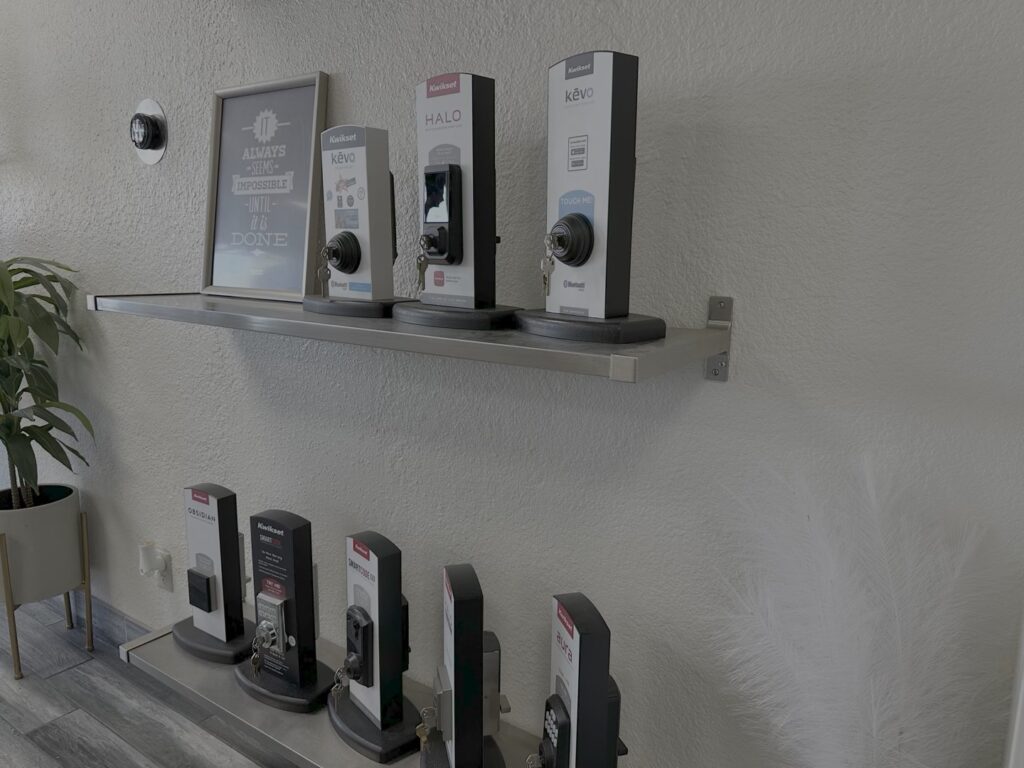
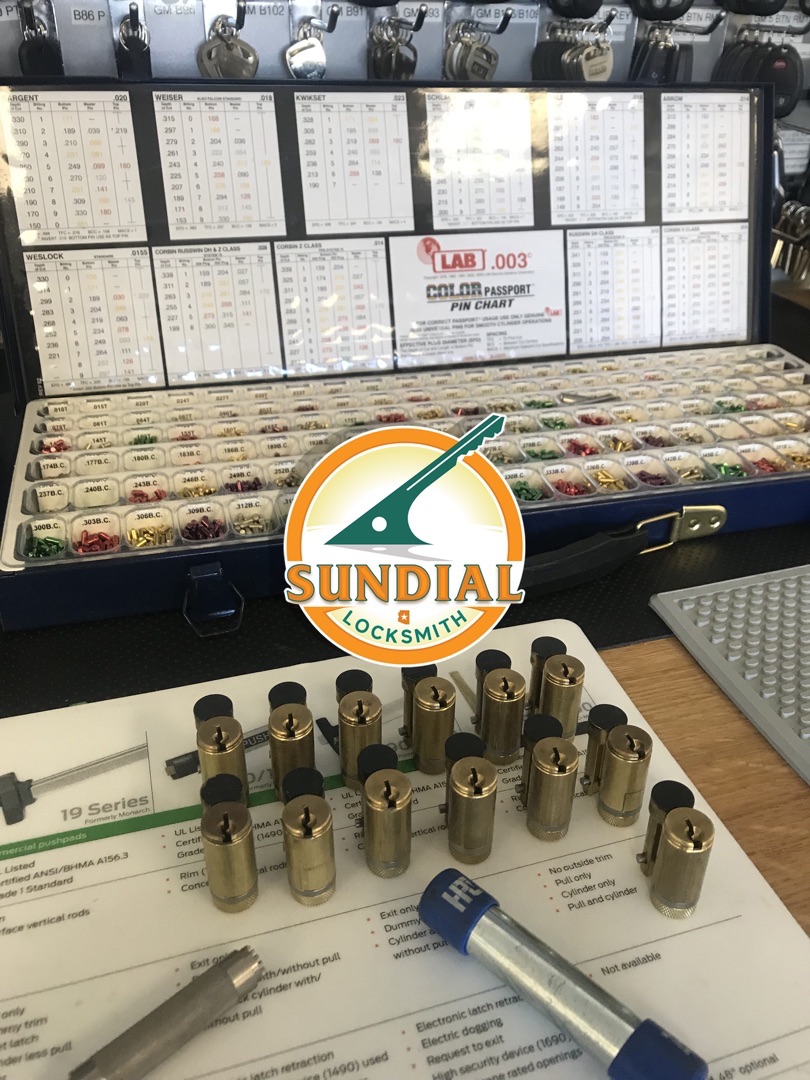
Rekeying is straightforward. A technician disassembles the lock cylinder and replaces the internal pins so the old keys no longer work. New keys are cut to the fresh pin configuration. Your existing hardware stays in place — no need to swap out deadbolts unless you want to. It’s faster and more cost-effective than a full lock replacement, and it gives you a clean slate on who holds access.
If you’re moving into a home with older or builder-grade hardware, this is also a smart moment to assess what you’re working with. Some of those entry doors around Scottsdale and Chandler are still running locks that were never meant to be a long-term solution. Our post on the best locks for a steel entry door is worth a read if you’re unsure what you’ve got.
Rekey, Replace, or Upgrade — A Quick Comparison
| Option | Best For | Hardware Changes | Typical Turnaround |
|---|---|---|---|
| Rekey existing locks | Good hardware, unknown key history | None | Same visit |
| Full lock replacement | Worn, damaged, or low-grade locks | Full hardware swap | Same visit |
| High-security upgrade | High-value properties, long-term peace of mind | Full hardware swap | Same visit |
If you’ve inherited a home in an area like Paradise Valley or near the Biltmore district in Phoenix and want to think longer-term, our comparison of Medeco vs. Mul-T-Lock high-security locks breaks down which grade of hardware makes sense for your situation.
Don’t Underestimate Inherited Home Lock Security
Here’s what I tell people who are on the fence: you wouldn’t accept a used password to an online account with unknown access history. A physical key is no different. Inherited home lock security isn’t about fear — it’s about starting fresh with a property that’s now yours.
- Estate sale attendees may have tested or noted the lock type
- Old spare keys from cleaners, contractors, or family friends still work until you rekey
- Many estate homes in Phoenix still have original builder locks from decades ago
- A rekey takes under an hour and doesn’t disrupt anything else in your move-in process
According to the FBI’s Uniform Crime Reports, a significant share of residential burglaries involve no forced entry — meaning someone used a key or found an unlocked door. Don’t hand that window of opportunity to anyone.
We serve homeowners across Phoenix, AZ — from Gilbert and Mesa to Cave Creek and Phoenix. Our technicians arrive with the right tools, handle the job completely, and leave you with fresh keys and a clear record of who has access. No partial fixes, no callbacks.
If you’ve just come off an estate sale and you’re ready to get this handled, call Sundial Locksmith at (480) 525-7778. We’ll take care of it the same day.
Some content on this site is AI-assisted and may not reflect exact current details — please verify with Sundial Locksmith at (480) 525-7778. Learn more.