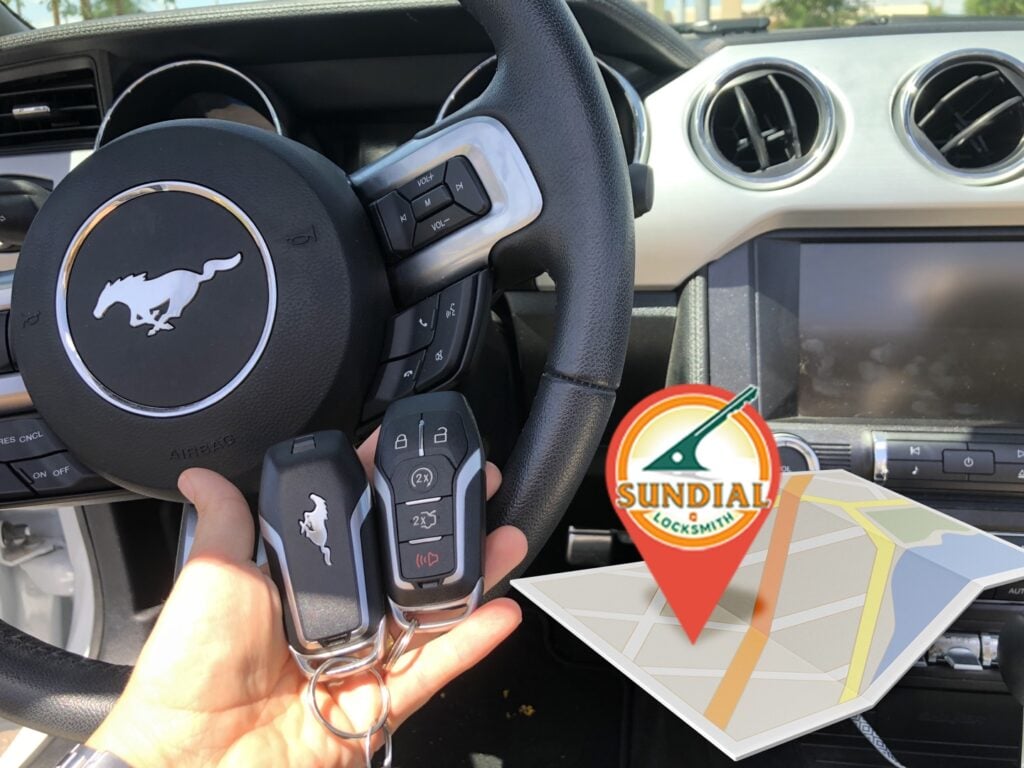
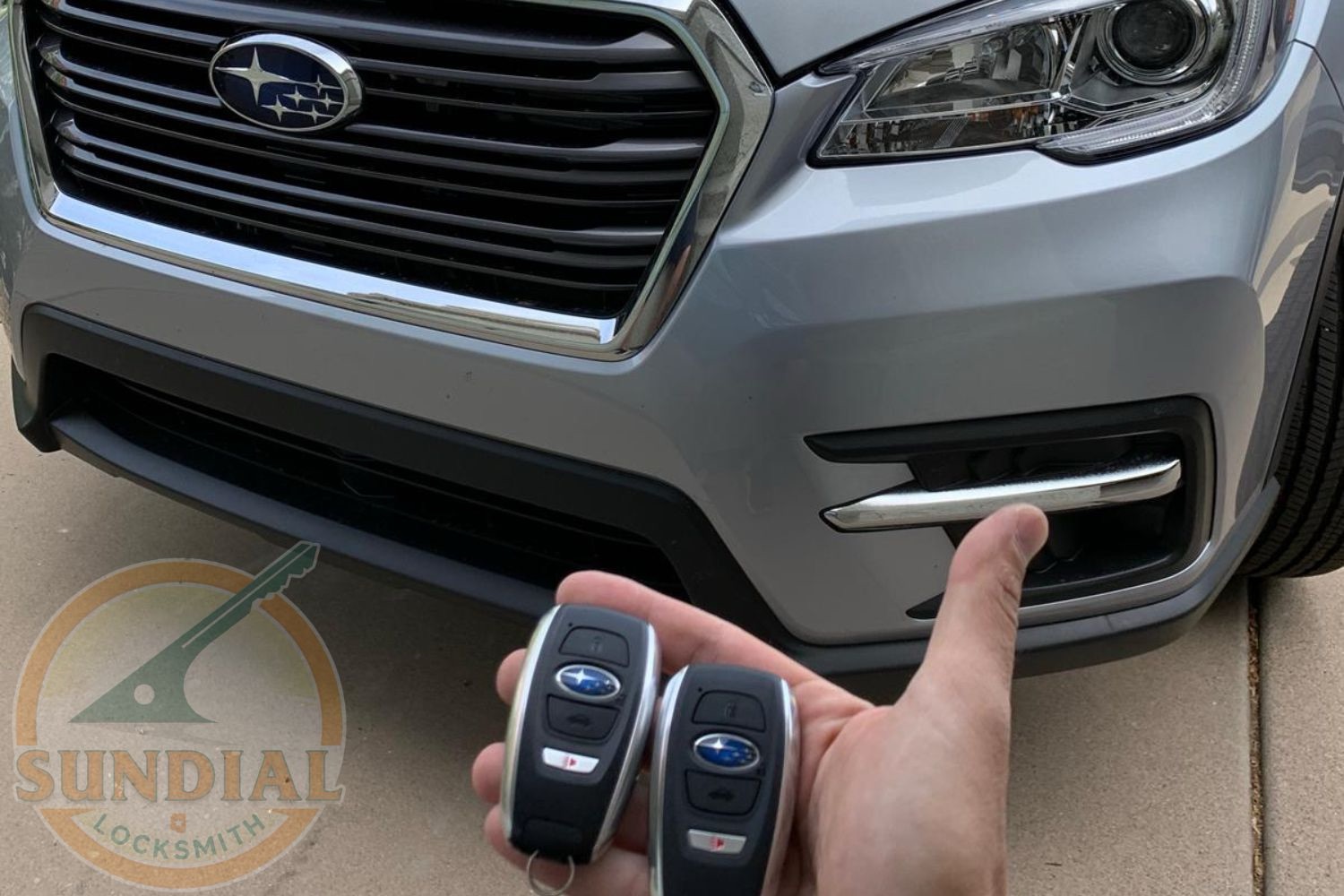
Picture this: 107 degrees, parking lot off Camelback Road, and your key fob just stopped talking to your car. You’re not imagining things — the transponder chip or the fob itself needs to be reprogrammed, and a trip to the dealership could cost you a full day and several hundred dollars. That’s exactly where Obd Programming Locksmith changes the game. We show up equipped, we plug in, and we get you back on the road before the asphalt melts your patience.
What OBD Key Programming Actually Is
OBD stands for On-Board Diagnostics — the same port mechanics use to pull trouble codes. On vehicles built after the late 1990s, that port is also how a locksmith communicates with the car’s immobilizer and ECU to register a new transponder key or program a key fob. No guesswork, no bypass wires. It’s a secure, manufacturer-recognized process done with professional-grade software — the same class of tools used at dealerships, just deployed curbside in Phoenix or wherever you’re stuck.
If you’ve ever wondered what goes on behind the scenes, our post on how a locksmith uses your car’s key code walks through the technical side in plain English.
Why the Last Locksmith Couldn’t Do It — and We Can
We hear this a lot. Someone calls a one-man operation off Google, the guy shows up, stares at the car, and admits he doesn’t have the right tool for that make. He leaves. You’re still stranded. That story is frustrating, and it’s preventable.
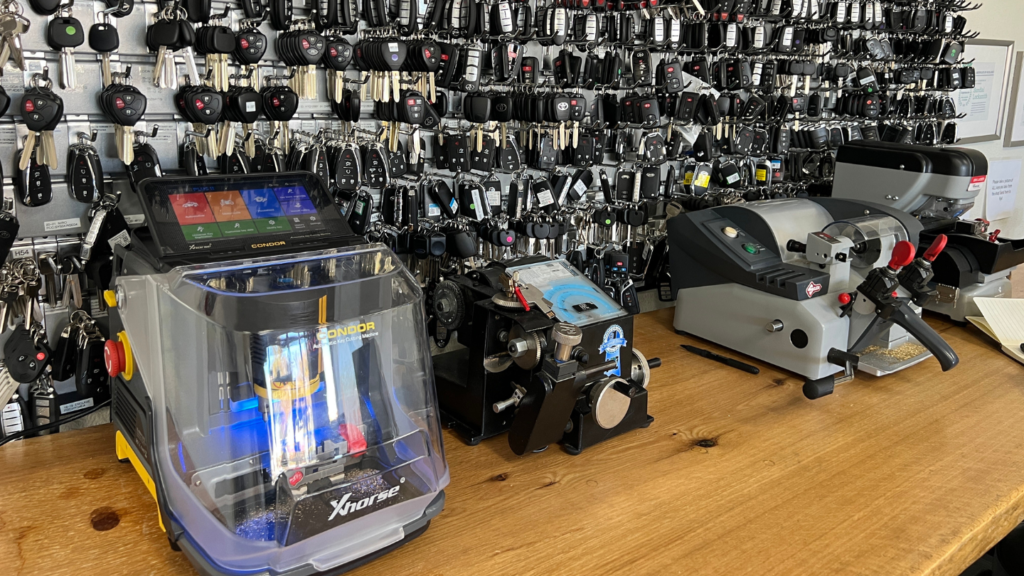
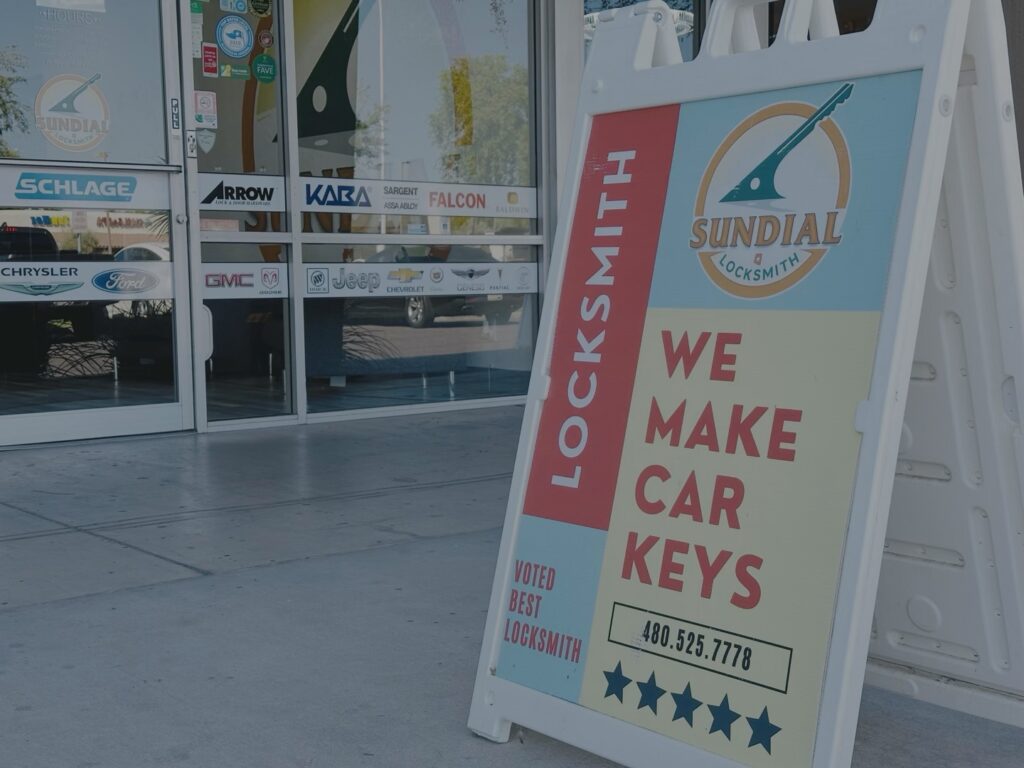
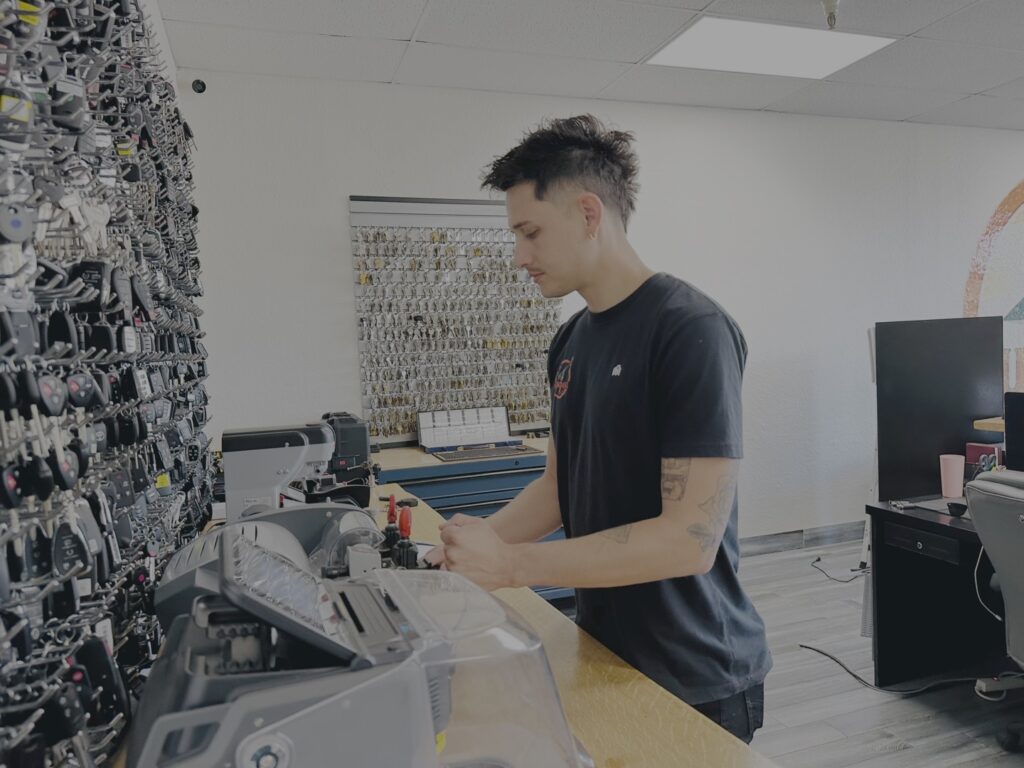
Sundial Locksmith has been running since 2009 with a real storefront, multiple technicians, and diagnostic hardware that covers a wide range of makes — domestic trucks, Japanese sedans, European SUVs, Korean models like the ones we detail in our guide to Hyundai key replacement. When we roll out for a mobile call in Scottsdale, Chandler, or Mesa, we’re not improvising. The equipment is already loaded.
The right tool matters more than the fastest arrival time. A locksmith who shows up unprepared just wasted your afternoon.
What the On-the-Spot Process Looks Like
- Vehicle identification: We confirm the year, make, model, and VIN — this determines which programming protocol applies.
- OBD connection: The technician plugs into the diagnostic port (usually under the dash, driver’s side) and the software handshakes with the immobilizer.
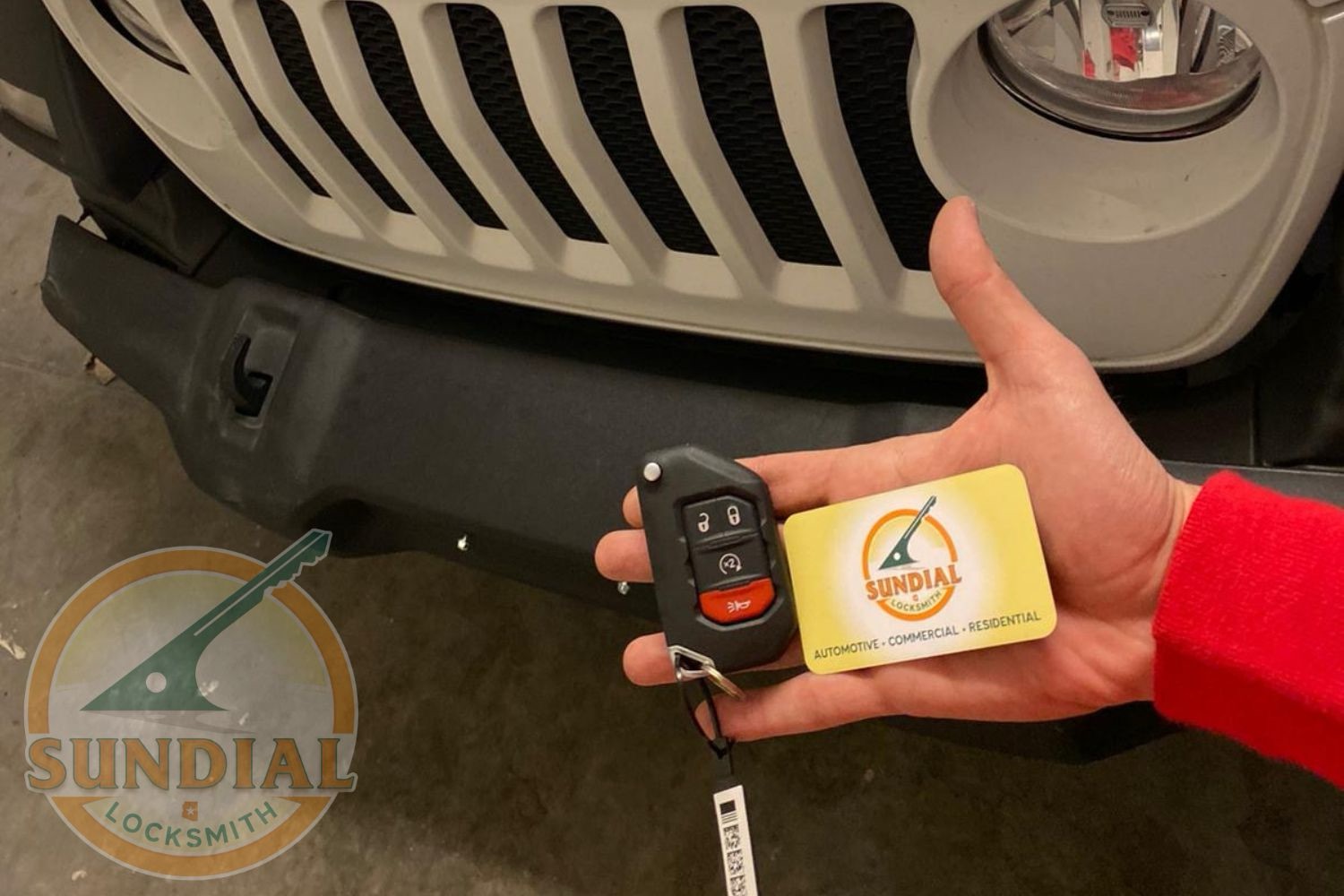
- Key or fob registration: The new key’s transponder chip — or the fob’s rolling code — gets written into the car’s memory. On some vehicles, existing keys must all be present or re-registered at the same time.
- Functional test: We test start the vehicle and verify every button on the fob before we pack up. Done means done.
For vehicles with factory remote start systems, the programming step is more layered — our breakdown of remote start key programming explains what that adds to the process. And if your vehicle has an aftermarket alarm, expect an extra sequence — see why in our guide on alarm-equipped vehicle key replacement.
Serving Phoenix and All of Maricopa County
Whether you’re near Desert Ridge Marketplace in North Phoenix, stuck off Scottsdale Road in Old Town, or stranded in a Gilbert parking lot after a long workday, our mobile team covers the metro. We also serve drivers throughout Chandler, Tempe, Mesa, and Paradise Valley. Fleet managers and roadside dispatchers who need a vendor in the Phoenix area that actually picks up and shows up — this is the call to save.
It’s also worth noting: if you’re currently running on a single key, that’s a situation worth fixing today, not the day you drop it in a storm drain. One spare key programmed now is infinitely cheaper than an emergency call on a Sunday evening. The full range of our automotive locksmith services is on our site if you want to see what else we handle.
I’ve been doing this work for ten years, and the call I get most often isn’t from someone panicking — it’s from someone who waited just a little too long to get a spare made. Don’t be that call. — Josh
For deeper reading on how OBD standards work across vehicle makes, the NHTSA’s vehicle theft and safety resources give solid background on why immobilizer systems exist and how they’re regulated.
Some content on this site is AI-assisted and may not reflect exact current details — please verify with Sundial Locksmith at (480) 525-7778. Learn more.