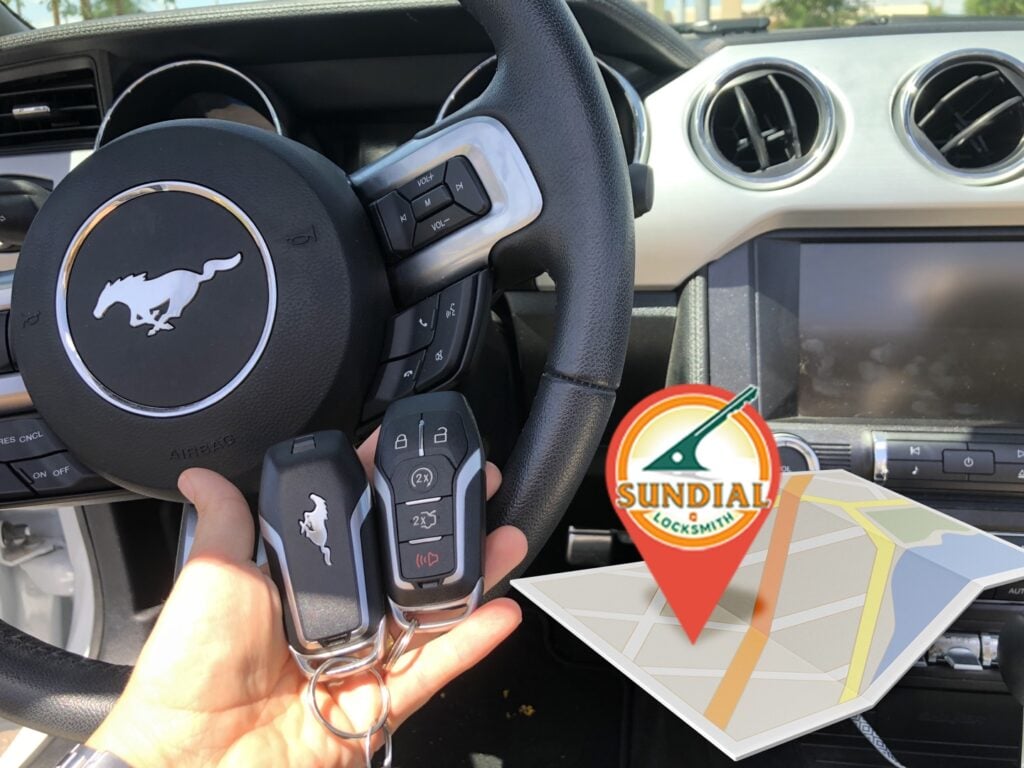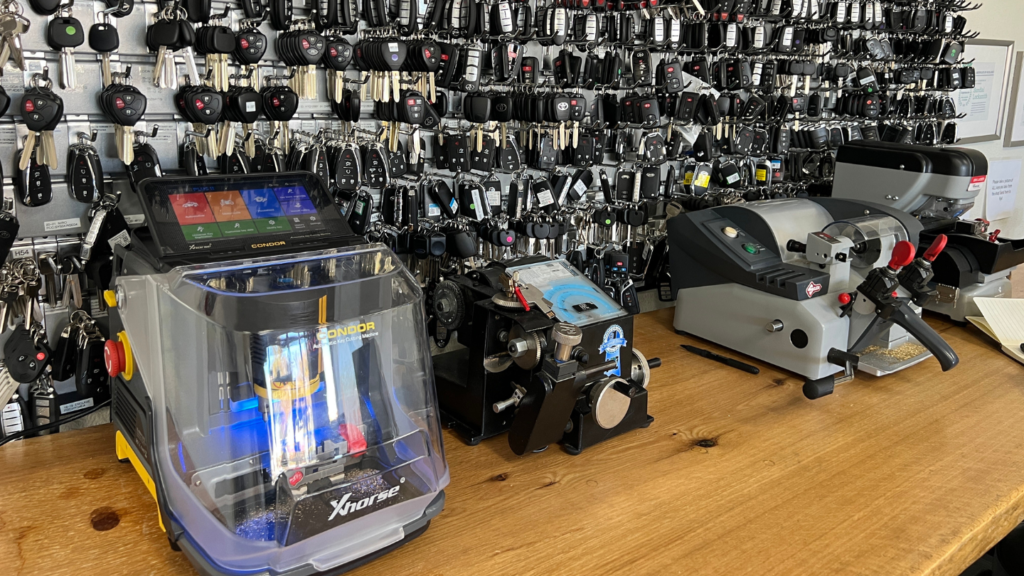
I’m Josh, and after ten years doing automotive locksmith work across Phoenix and Maricopa County, I can tell you that Key Replacement for Alarm Equipped Vehicle is the call that trips up the most rookies in this trade. It’s not just about cutting a blade and handing you a key. Modern anti-theft systems talk to your car’s brain — and if that conversation doesn’t go right, you’re still stuck. Here’s what’s actually happening under the hood, and why it matters that you call the right team.
Why Alarm-Integrated Keys Are a Different Animal
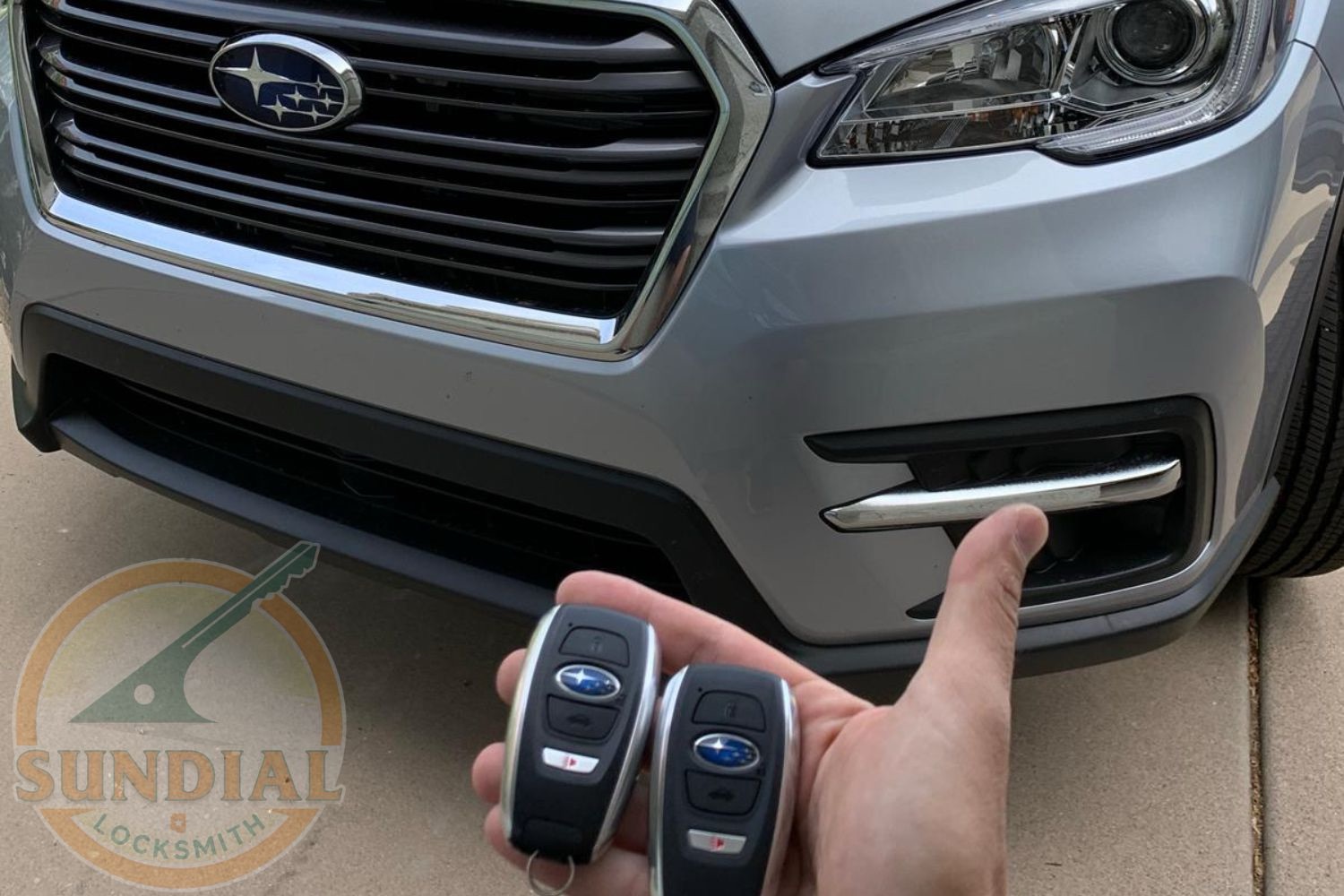
Starting around 2000, automakers began weaving the key fob and the alarm module into the same security loop. Cut the key wrong, skip the programming step, or use a blank that isn’t compatible — and the immobilizer stays armed. The engine cranks but never fires. Some vehicles in the Paradise Valley and Scottsdale corridor — especially late-model luxury SUVs — add a second layer with proximity sensors that must also be paired to the Body Control Module.
This is exactly why a locksmith who shows up without a professional-grade key programmer is going to waste your afternoon. We’ve gotten calls from drivers stranded near Camelback Mountain and up in Cave Creek who already paid a solo operator only to watch that tech drive away empty-handed. That outcome is avoidable.
The Three Steps That Can’t Be Skipped
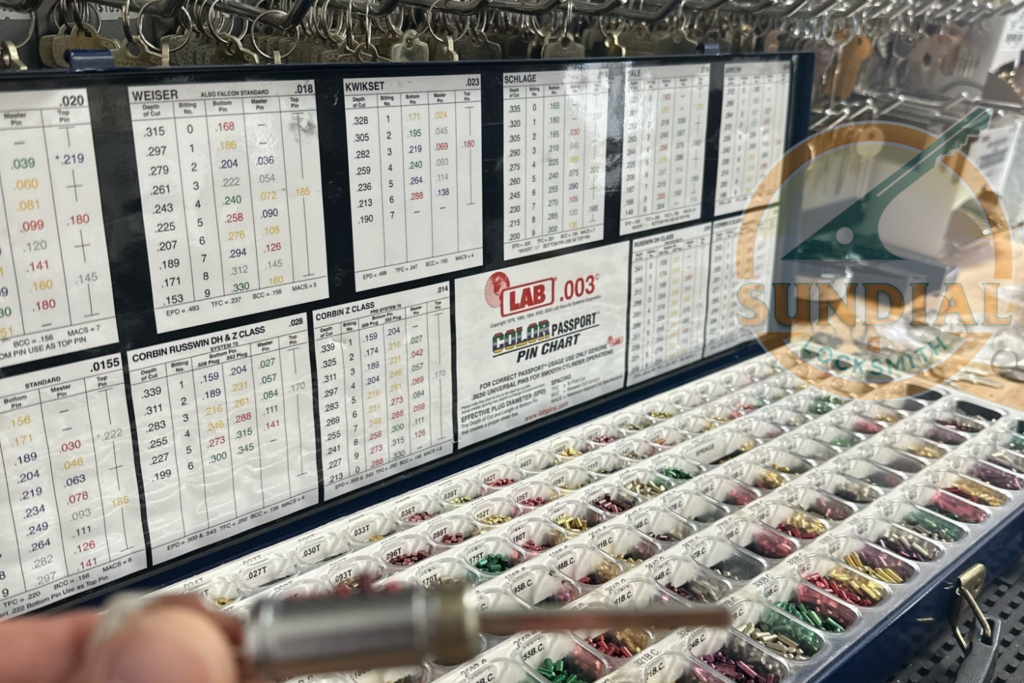
- Correct blade cut. The physical key must match your ignition cylinder precisely. An off-tolerance cut prevents the transponder from entering the right position to broadcast its signal.
- Transponder/chip programming. The microchip inside the key head must be coded to your vehicle’s specific immobilizer ID. Without this, the ECU ignores it — alarm stays on, engine stays off.
- Fob pairing (if applicable). Remote functions — lock, unlock, panic — require a separate radio-frequency pairing sequence. On many late-model vehicles this also resets alarm-trigger thresholds.
“A properly programmed key doesn’t just start the car — it tells the anti-theft system ‘stand down.’ Miss that handshake and you’re going nowhere.”
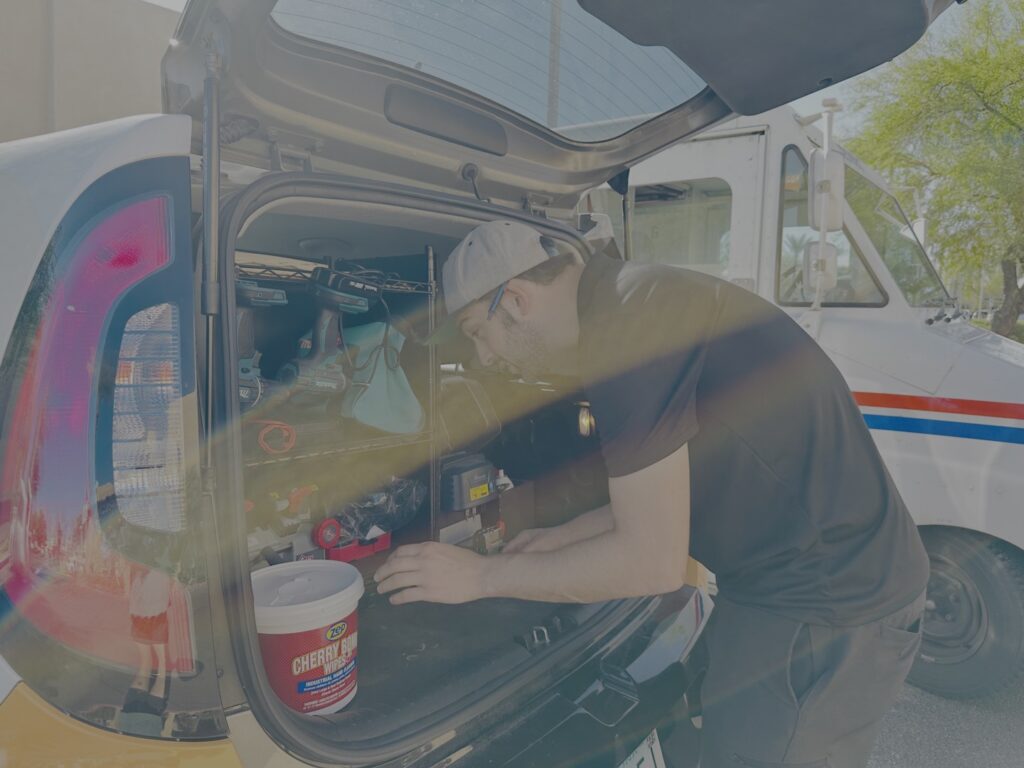
Our automotive locksmith services are built around having the right diagnostic programmers in the van every single dispatch — not ordered after the fact.
What the Job Actually Looks Like by Vehicle Type
| Vehicle Category | Key Type | Programming Complexity |
|---|---|---|
| Standard transponder (2000–2010 domestic) | Chip key | Moderate — single ECU pairing |
| Smart key / push-button start (2010+) | Proximity fob | High — BCM + alarm module sync |
| Luxury/European (BMW, Mercedes, Audi) | Encrypted key | High — dealer-level software required |
| Truck & fleet (F-150, Ram, Silverado) | High-security blade + chip | Moderate-to-high — PATS or PassLock |
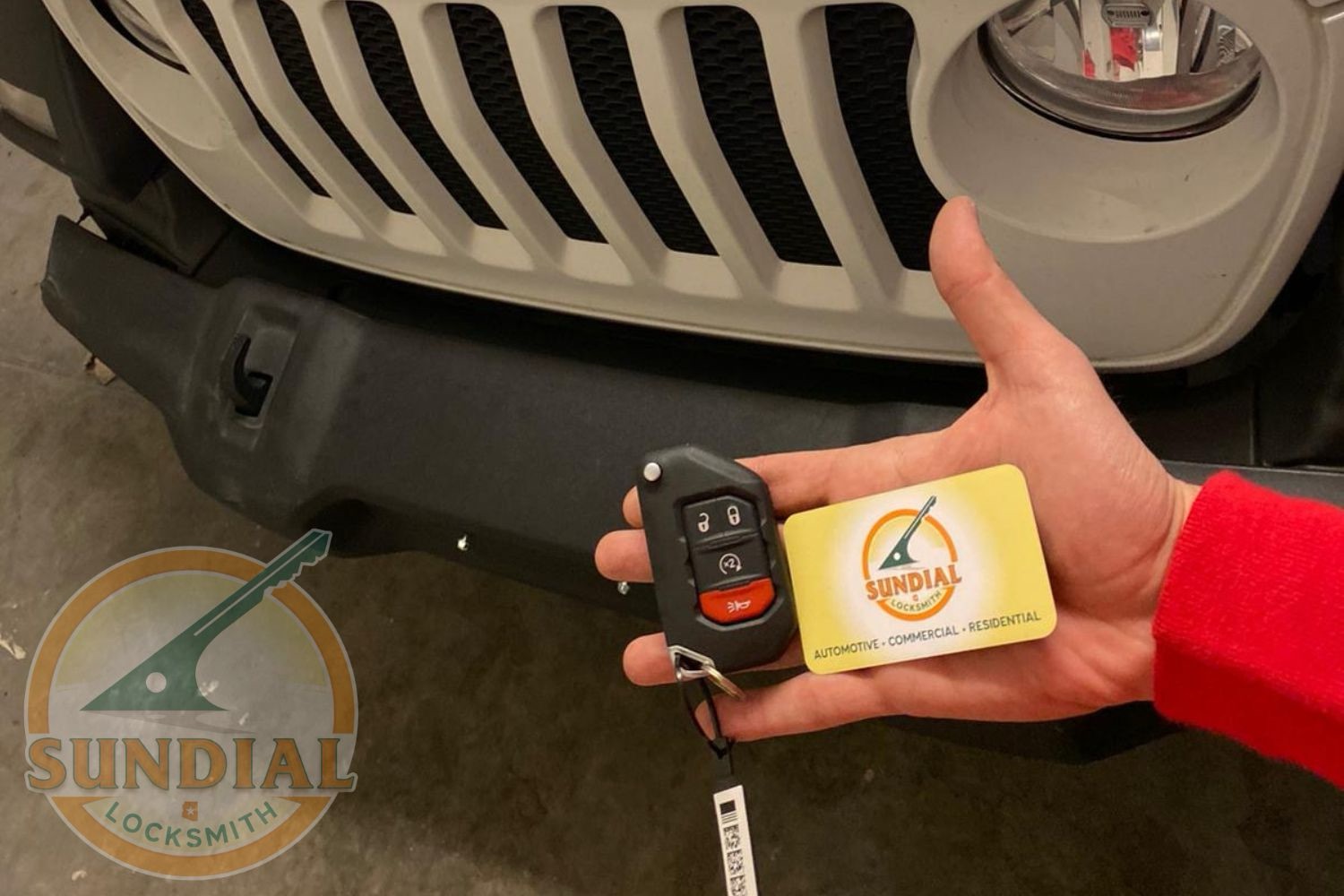
If you drive a Jeep and want a deeper look at what key replacement involves for a specific platform, our post on Jeep Wrangler key replacement for off-road owners walks through the nuances in detail.
Key Replacement for Alarm Equipped Vehicle: Who You Call Makes All the Difference
We’ve been in business since 2009 and we carry that track record with us on every dispatch — from Old Town Scottsdale to Chandler, from Tempe to Gilbert and out to Mesa. A real storefront, multiple trained technicians, and professional-grade programming equipment aren’t extras — they’re the baseline for getting an alarm-equipped vehicle back on the road correctly.
The National Highway Traffic Safety Administration notes that immobilizer systems significantly reduce vehicle theft — which also means they’re designed to be deliberately difficult to bypass. Respecting that engineering is part of doing this work responsibly.
Beyond vehicles, if you’re re-evaluating your overall security posture after a key is lost or compromised, it’s worth reading how we approach rekeying an office suite from start to finish — the same methodical thinking applies whether it’s a car or a building.
Whether you’re stranded near Kierland Commons in Scottsdale, sitting in a Chandler parking lot, or just realized you’re down to one working key at your Mesa home, don’t gamble on who answers. Call Sundial Locksmith at (480) 525-7778 and we’ll send a technician who actually has the gear to finish the job — the first time.
Some content on this site is AI-assisted and may not reflect exact current details — please verify with Sundial Locksmith at (480) 525-7778. Learn more.