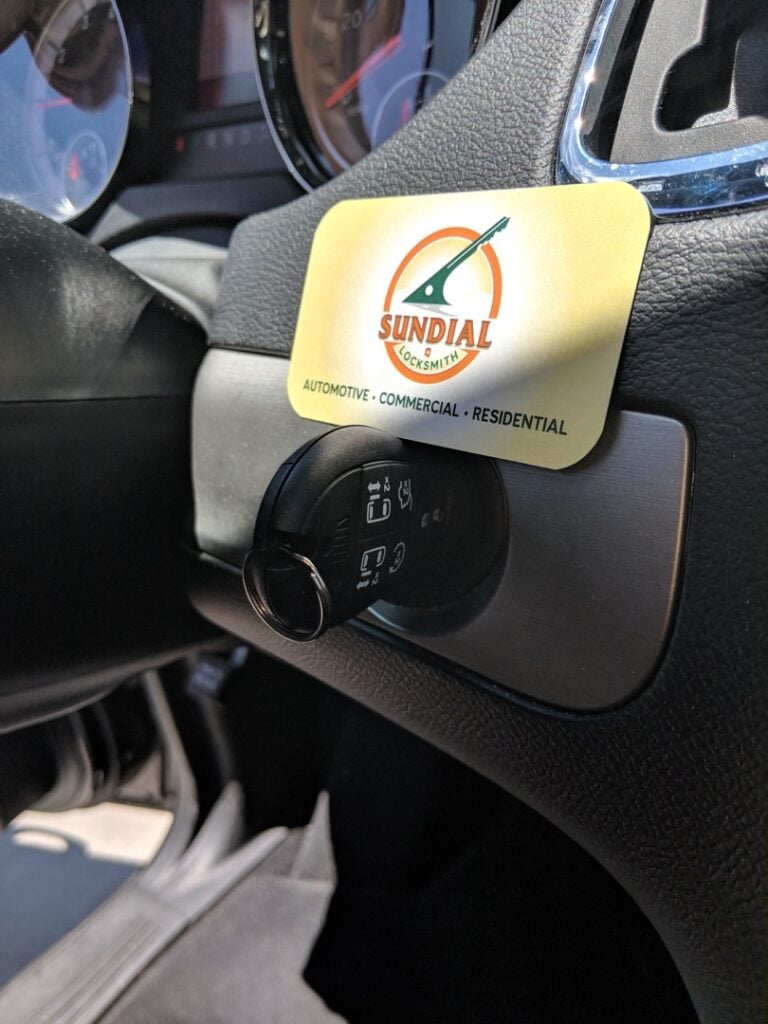
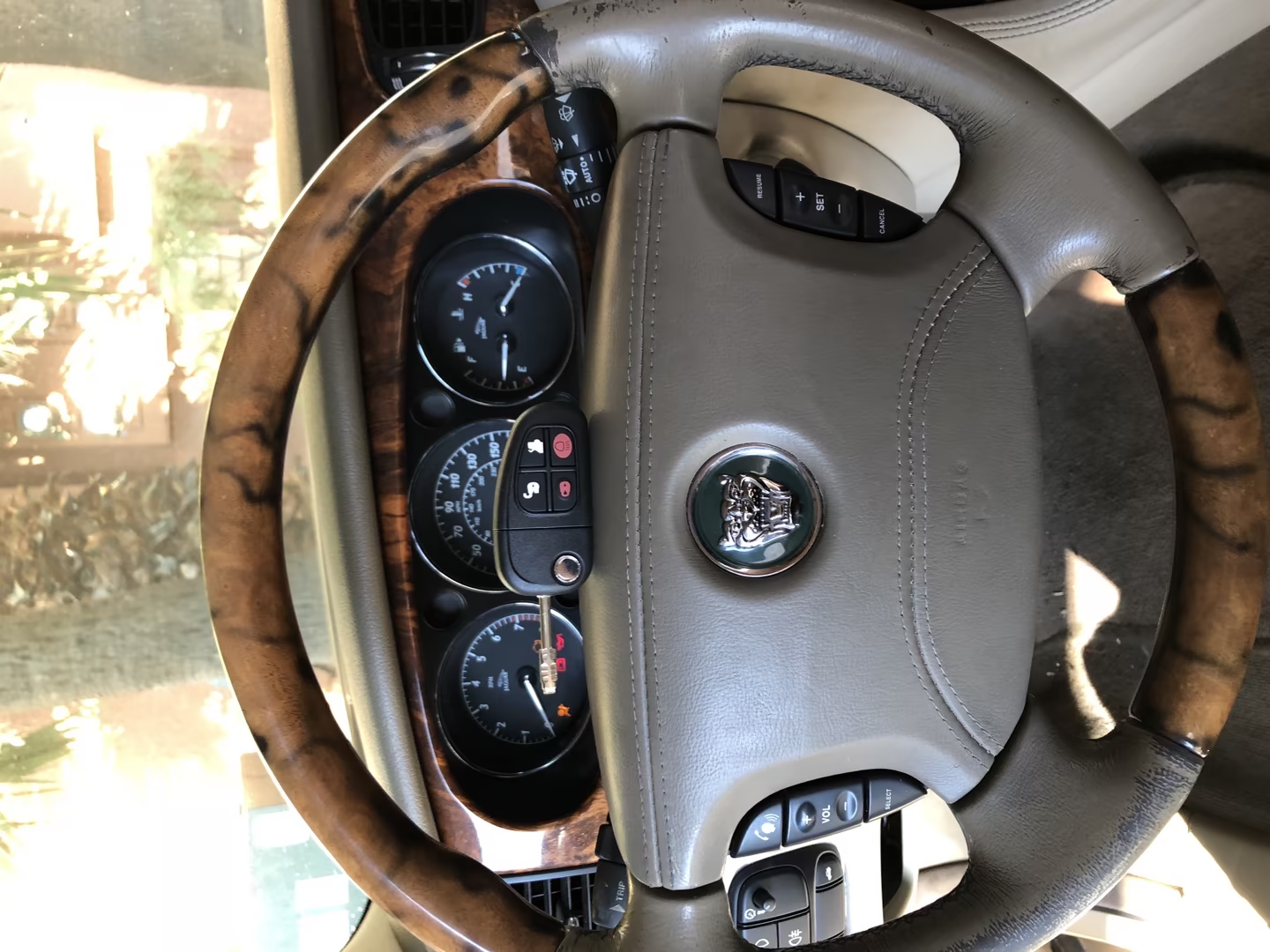
If turning your key has started to feel like a minor wrestling match, pay attention — that resistance is rarely random. Understanding Signs Your Ignition Needs Replacing early is the difference between a planned service visit and being stranded in a Tempe, AZ parking lot at noon in July. These symptoms build gradually, and most drivers dismiss them until they can’t. Here’s how to read what your car is already telling you.
Common Signs Your Ignition Needs Replacing Warning Signs
Ignition cylinders wear with every key turn. Failures rarely happen out of nowhere — they telegraph themselves for weeks or months first.
- Stiff or sticky key turn. Putting real effort into the key — especially after the car’s been sitting in the Tempe, AZ heat — means the internal wafers are worn or corroded.
- Intermittent refusal to turn. Works fine three times, then stops cold on the fourth. That inconsistency is a classic early-failure pattern.
- Key feels loose or wobbly. A healthy cylinder holds the key snugly. Wobble means the wafers are too worn to grip the key cuts properly.
- Car starts, then stalls immediately. A worn cylinder can slip back toward the “accessory” position and cut engine power within seconds of starting.
- Key gets stuck and won’t come out. The cylinder can trap the key entirely once wear reaches a certain point.
- Dashboard lights flicker with key movement. Accessories cutting in and out as you wiggle the key signal the cylinder is no longer making clean electrical contact.
A worn ignition cylinder doesn’t usually fail all at once — it wears quietly until one ordinary morning it simply won’t turn.
Cylinder vs. Ignition Switch — Know the Difference
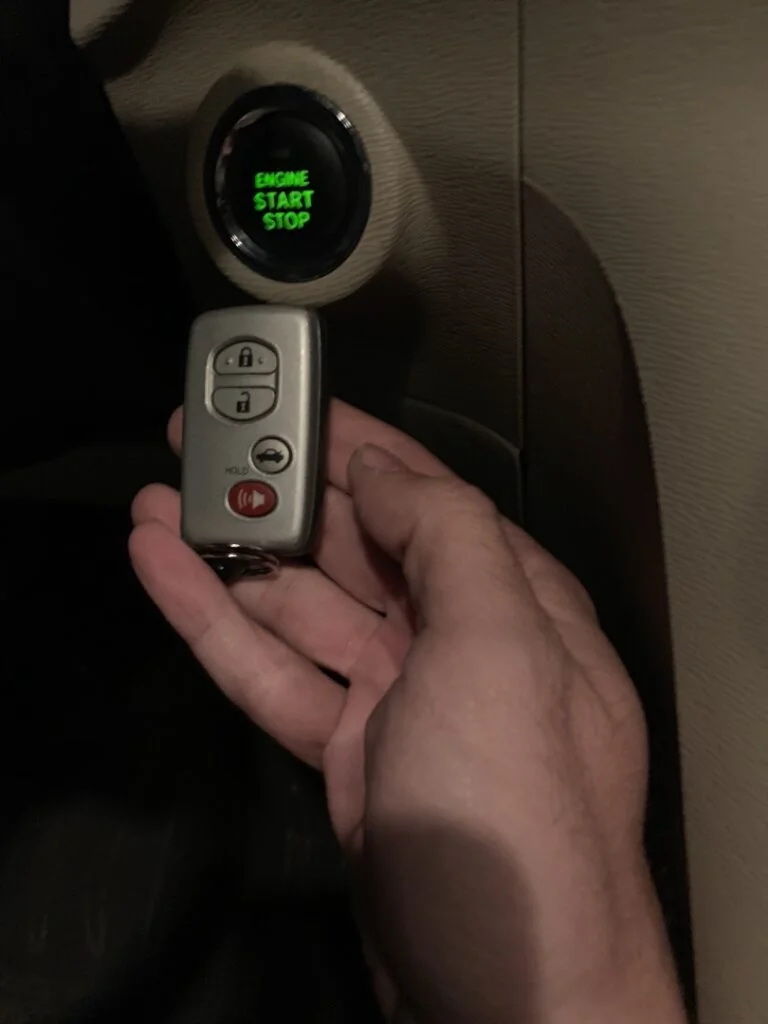
These terms get used interchangeably, but they’re two separate parts. The cylinder is the mechanical barrel you insert the key into. The switch is the electrical component sitting directly behind it. Both can fail, and the symptoms overlap — which is why accurate diagnosis matters before anything gets replaced.
If accessories misbehave regardless of key position, the switch is likely the issue. If the problem is purely mechanical — resistance, wobble, a trapped key — the cylinder is to blame. On Ford F-Series trucks and Explorers throughout Tempe, AZ and Chandler, cylinder-only replacement is common and doesn’t require touching the electrical side. Our guide on Ford F-Series truck key replacement covers exactly what those owners are usually facing.
What Replacement Typically Costs in AZ
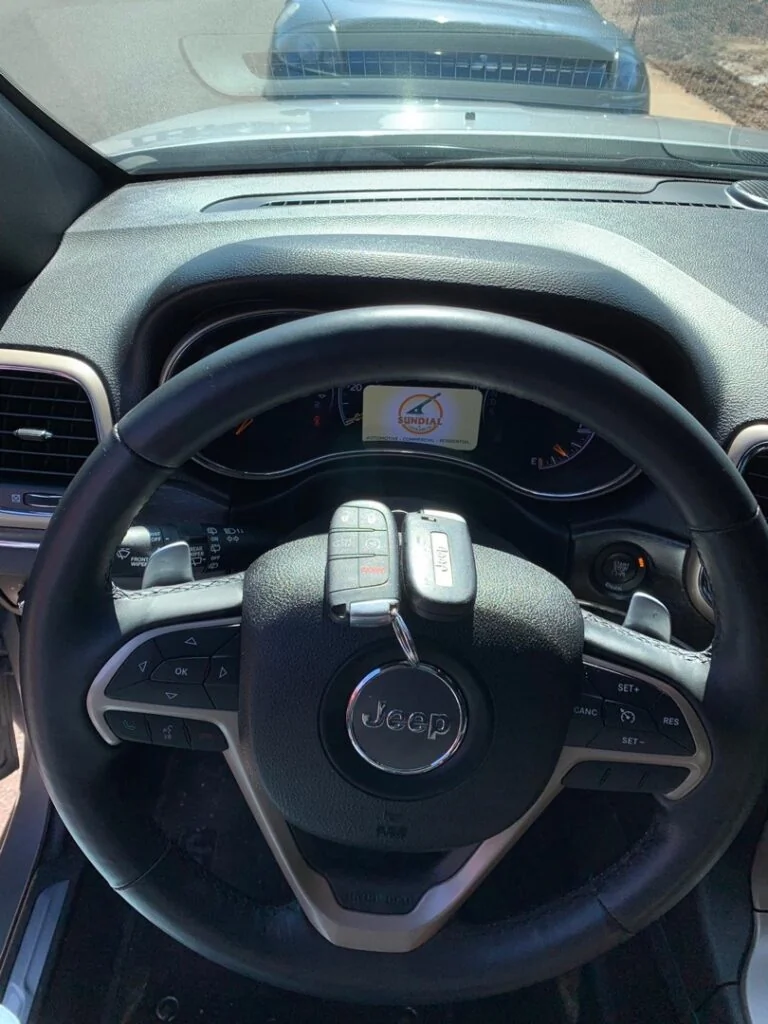
For most 2000-and-newer vehicles in AZ, ignition cylinder replacement at a qualified automotive locksmith typically runs between $150 and $400 — usually less than a dealership, and without the multi-day wait. If the key also needs cutting and programming, those costs layer in. Our breakdown of what a new car key actually costs without a spare gives you a realistic picture before you call anyone.
One practical note: if you’re already having the cylinder replaced, that’s the right moment to get a spare key made and programmed. Running on one key after a repair just delays the same risk.
We work across Tempe, AZ, Scottsdale, Gilbert, and surrounding communities with a real storefront, a full technician team, and the specialized equipment modern vehicles require. The National Automotive Service Task Force (NASTF) sets the standards for automotive security access that credentialed locksmiths follow — and we operate within those standards. You can also explore our car key replacement services for a full picture of what we handle on-site.
If your key is already acting up, don’t wait for it to quit entirely. Call Sundial Locksmith at (480) 525-7778 — same-day service is available across Tempe, AZ and the surrounding area.
Some content on this site is AI-assisted and may not reflect exact current details — please verify with Sundial Locksmith at (480) 525-7778. Learn more.