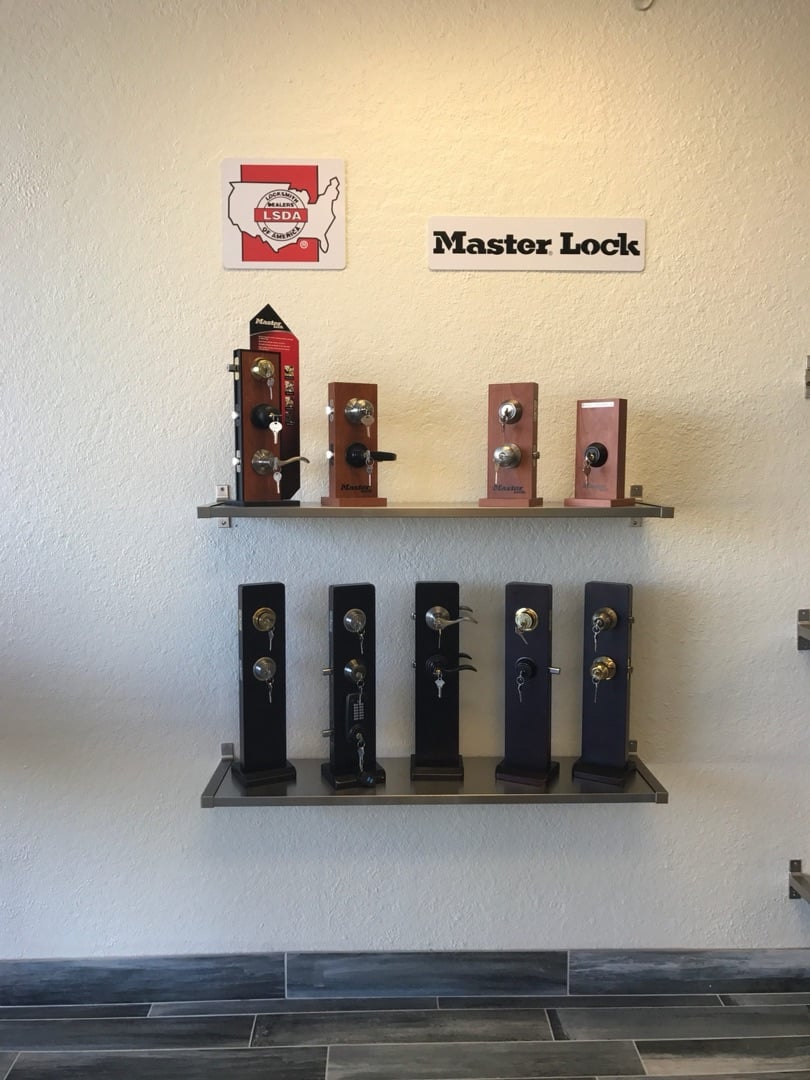
If you manage a building in Tempe, AZ — a multi-tenant office, a residential complex, or a mixed-use property — a Grand Master Key System is one of the smartest access-control decisions you can make. Done right, your property manager carries one key while a maintenance tech accesses only mechanical rooms and a tenant gets nothing beyond their own unit. Done wrong, it compounds every time someone moves out. Here are the mistakes we see most often, and how to avoid them.
How the Grand Master Key System Hierarchy Works
A typical hierarchy runs four levels. The Grand Master opens every lock on the property. A Master Key opens a defined zone — one floor or one wing. A Sub-Master covers a subset of that zone. A Change Key opens exactly one lock. Each level is engineered into the lock’s pin stack at the factory — precision manufacturing, not a workaround. That’s what makes the system powerful, and what makes design errors so expensive to undo. The ANSI/BHMA standards for master keying and lock grades govern how these tolerances are specified, and following them matters.
Five Mistakes That Quietly Break the System
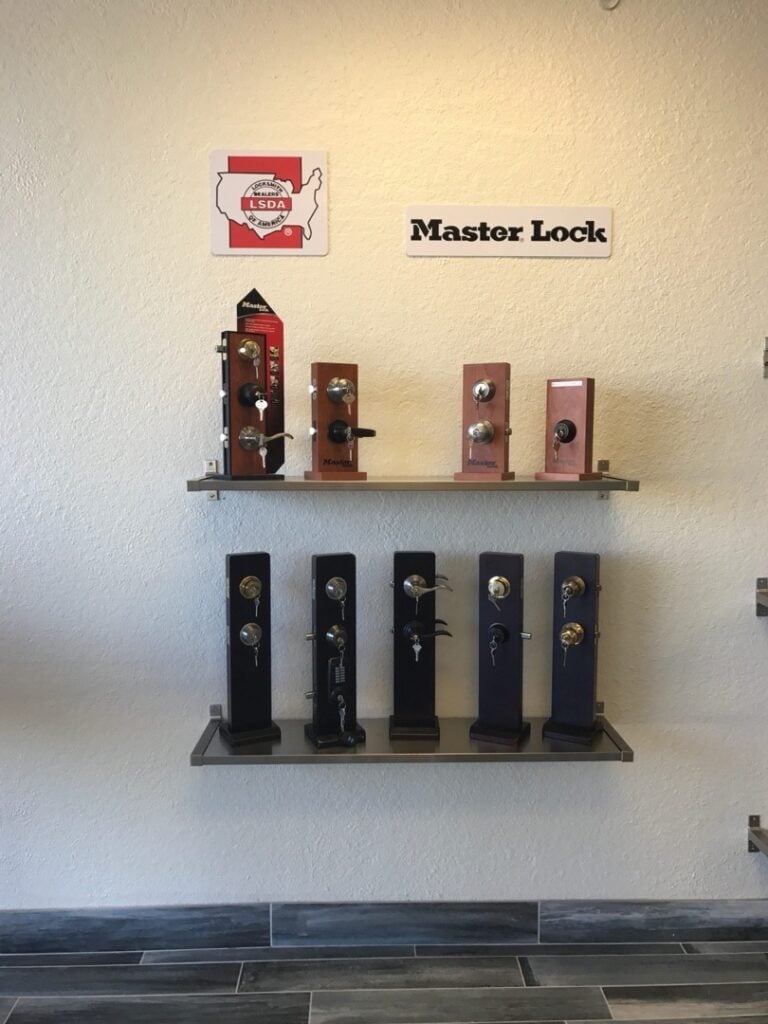
- Skipping the key chart. Most people want to cut keys immediately. The smarter move is to map every door, zone, and person before ordering a single lock. Retrofitting later costs far more than planning upfront.
- Using copyable keyways. Standard keyways are duplicated at any hardware store in Tempe, AZ. Restricted keyways are controlled by the manufacturer — no copy without your authorization. That’s non-negotiable for a serious master system.
- Issuing master keys too broadly. A plumber doesn’t need a grand master — they need two mechanical rooms. Issue the lowest level of access that does the job, and log every key by name, date, and door scope.
- Ignoring rekeying when tenants leave. In a Grand Master Key System, one unrecovered key doesn’t affect one door — it can compromise an entire zone. The cost of rekeying a cylinder after a departure is minimal. The cost of replacing a full system because the chain of custody broke is not. Our residential and commercial locksmith services include same-day rekeying so gaps don’t sit open.
- Mixing lock brands mid-system. Different manufacturers use different keyway families and pin tolerances. Mixing brands creates cross-keying conflicts — a change key may open a lock it shouldn’t, or a master may fail one it should. Stick with one product line throughout. The difference between lock grades and security ratings matters here — not every cylinder handles master keying the same way.
“The best master key system is the one you can still explain clearly two years after installation — because someone kept the chart current.”
What a Well-Maintained System Looks Like
- Restricted keyway on every cylinder
- Written key chart updated after every personnel change
- Access issued at the lowest necessary level
- Annual audit built into the maintenance schedule
- Single manufacturer throughout the system
A master system isn’t set-and-forget. Buildings evolve — new suites, repurposed wings, ownership changes. If the key chart isn’t updated alongside those changes, the hierarchy drifts and eventually becomes unmanageable. An annual audit with your locksmith takes less time than you’d expect and keeps everything aligned. Properties with high tenant turnover — anywhere in Tempe, AZ or across AZ — feel this most acutely, and a scheduled review is the simplest fix.
We design, cut, and install full master key systems in-house, and we keep the documentation so you’re never starting over. If your current system has any of the gaps above — or you’re simply not sure — call Sundial Locksmith at (480) 525-7778 and we’ll walk through it with you same-day.
Some content on this site is AI-assisted and may not reflect exact current details — please verify with Sundial Locksmith at (480) 525-7778. Learn more.